
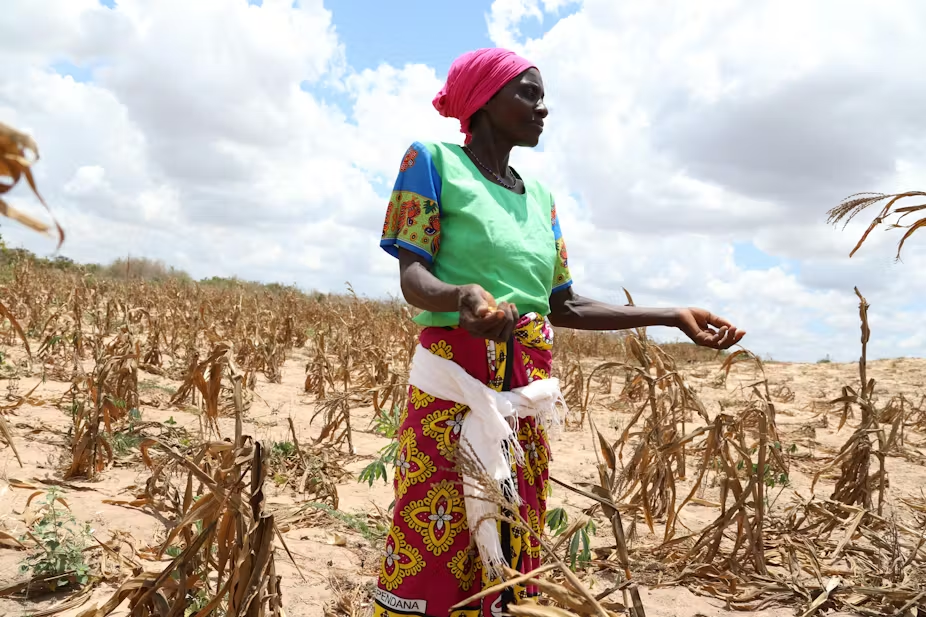
Climate change has become one of the most pressing global challenges of our time, with devastating effects on agriculture, particularly in Africa. While the impacts of climate change are felt worldwide, Africa’s farmers are bearing a disproportionate burden due to the continent’s reliance on rain-fed agriculture and limited resources for adaptation. The economic consequences are stark, with agricultural productivity declines translating directly into GDP losses, threatening livelihoods, food security, and economic stability.
Quantifying GDP Loss from Climate Change
Agriculture contributes a significant portion to many African economies, accounting for approximately 15-30% of GDP in most sub-Saharan countries. However, the sector’s vulnerability to climate shocks such as droughts, floods, and erratic weather patterns has led to considerable economic losses:
- Annual GDP losses: Studies estimate that Africa’s agricultural sector loses between $10 billion and $15 billion annually due to climate-related impacts. This figure is projected to increase as temperatures rise and extreme weather events become more frequent.
- Country-specific impacts: In Ethiopia, for instance, droughts have been linked to GDP losses of up to 1.1% annually. Similarly, in Nigeria, flooding and desertification have significantly disrupted farming activities, reducing agricultural contributions to GDP.
- Projected losses: According to the World Bank, by 2050, sub-Saharan Africa could face GDP losses of 2-4% annually due to climate-induced agricultural declines.
The Chain Reaction: Climate Impacts on Farming and Beyond
- Reduced Crop Yields Climate variability has led to inconsistent rainfall patterns, resulting in reduced crop yields. Staple crops such as maize, rice, and wheat—which are critical to both local diets and export markets—are particularly vulnerable. For example, maize yields in southern Africa are projected to decline by up to 30% by 2050 if no adaptive measures are implemented.
- Livestock Losses Rising temperatures and prolonged droughts have also taken a toll on livestock, a crucial source of income and food for many rural households. In East Africa, millions of livestock deaths due to drought have caused losses amounting to hundreds of millions of dollars annually.
- Supply Chain Disruptions Extreme weather events such as floods not only destroy crops but also disrupt transportation and storage infrastructure. This raises the cost of agricultural inputs and reduces farmers’ market access, further compounding GDP losses.
- Food Price Volatility Lower agricultural output leads to increased food prices, disproportionately affecting low-income households. This exacerbates poverty and inequality, further straining national economies.
Broader Economic Implications
The economic ripple effects of agricultural losses extend beyond the farming sector:
- Employment: Agriculture employs more than 50% of Africa’s workforce, particularly in rural areas. Climate-induced productivity losses result in job losses and reduced income for millions.
- Export Revenue: Agriculture is a major source of foreign exchange in many African countries. Declining yields in cash crops such as coffee, cocoa, and cotton directly reduce export revenues, weakening national economies.
- Government Budgets: Governments face increased expenditures on disaster relief and recovery while experiencing reduced tax revenues from the agricultural sector.
Pathways to Mitigation and Adaptation
Addressing the economic toll of climate change on Africa’s agriculture requires a combination of mitigation and adaptation strategies:
- Climate-Smart Agriculture (CSA)
- Promoting drought-resistant crop varieties and efficient irrigation techniques can enhance resilience.
- For instance, farmers in Kenya who adopted CSA practices reported 30-50% increases in productivity despite adverse weather conditions.
- Investments in Infrastructure
- Building resilient infrastructure, such as flood defenses and climate-proof storage facilities, can reduce supply chain disruptions.
- Improved transportation networks can enhance market access for farmers.
- Access to Financing and Insurance
- Expanding access to microloans and crop insurance can help farmers recover from climate shocks. For example, index-based insurance schemes in Ethiopia have enabled farmers to mitigate losses during droughts.
- Regional Cooperation
- Cross-border initiatives to share climate data and early warning systems can help mitigate risks. Organizations such as the African Union are spearheading efforts to enhance continental climate resilience.
- Global Climate Financing
- Developed nations must fulfill their commitments to provide climate financing for adaptation in vulnerable regions. Increased funding for African countries can accelerate the adoption of technologies and practices that reduce agricultural vulnerability.
Conclusion
The economic cost of climate change on Africa’s agriculture is undeniable, with significant implications for GDP and livelihoods. However, with the right investments and policies, the continent can build a more resilient agricultural sector. Supporting Africa’s farmers is not just an economic imperative but also a moral obligation in the global fight against climate change. Addressing these challenges will require collaborative efforts between governments, international organizations, and private stakeholders to ensure sustainable growth and food security for future generations.


0 Comments